


Summer High: What heatwaves mean for the Australian wine industry
February 6, 2019
Last year was Australia’s third warmest on record. With the mercury rising across the country and rainfall below average in very large areas including Victoria and South Australia, it raises some significant questions for the future of the Australian wine industry.
Heatwaves have done significant damage to vineyards
Excessive heat and lack of rainfall can do significant damage to grape vines. It can affect the size and sweetness of the fruit and potentially even burn the vines. Excessive heat can also prevent grapes from ripening properly, which in turn affects the crop’s yield and flavour profile.
Australia’s record hot weather has taken its toll on some vintages. For example, grape yields in the Adelaide Plains were down between 20% – 30% in 2018, while McLaren experienced smaller berry sizes caused by low rainfall and high temperatures. Low yields, combined with poorer quality has the potential to cause significant damage to the wine industry.
Some regions in Victoria, including Heathcote, have also experienced lower bunch weights which are likely to affect the vintage. But some regions have experienced better fortune like the Mornington Peninsula and Henty, who achieved high-quality vintages last year. This shows that while heat can be damaging to crops, in the right conditions it can work to the industry’s advantage.
Changes in the wine industry are underway
The recent heatwaves have the potential to impact the wine industry in Australia in the long-term. The immediate issue that grape growers must address is damage to existing vines and the need to minimise any further damage to vines. Key areas of consideration include irrigation and techniques to develop and maintain vine canopies that provide much-needed shade to developing berries. Another option is for other forms of shading to be used, but these can be both expensive and difficult to maintain.
Looking to the future, some winemakers are also looking to different grape varieties that cope better at higher temperatures. For example, Mediterranean varieties that are grown in the Italian and Spanish sunshine are suited to warmer climates. While they present a viable option, cultivating new vines for wine production takes considerable time and expense.
Another potential opportunity is for winemakers to adjust the style of wine that they’re producing. For example, when berry sizes reduce the alcohol content in the wines increases which in turn affects their taste. Higher alcohol content can make wine taste sweeter and richer, something that winemakers can take into consideration as they blend and produce their vintages.
These aren’t necessarily easy solutions, but they do offer new opportunities for the industry to set itself up for a hot future. As you look to the future, it’s important to also partner with an agency who understands what your business needs.

When an employee works from home, employers are responsible for managing work related health and safety risks. Here we outline employer safety obligations.
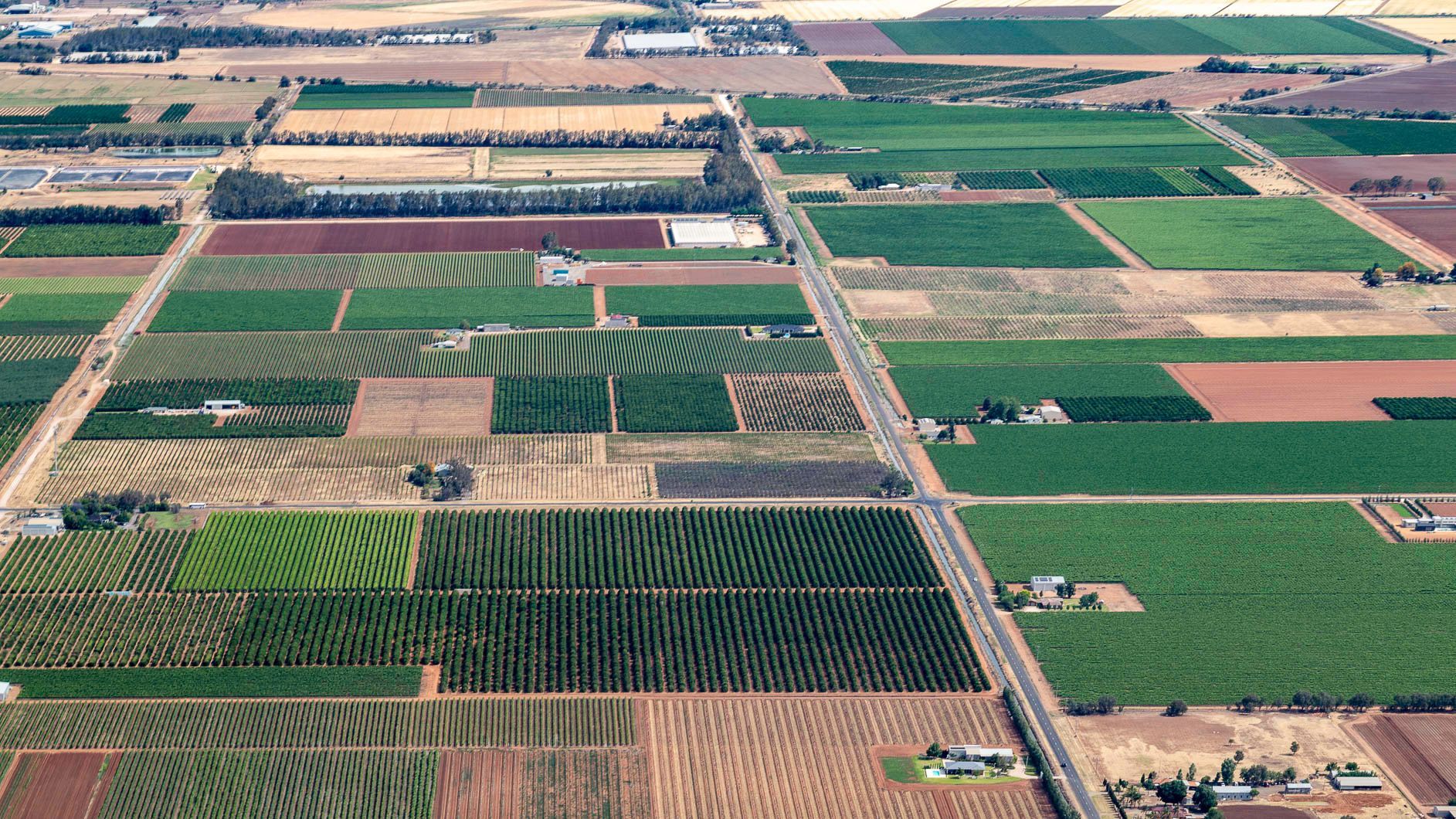
In late July 2026, three of Australia’s most powerful regulators , the ATO, FWO and ABF, launched Operation Flint, a joint compliance blitz targeting the Griffith's horticulture industry.

Obligations relating to final entitlements when employees leave the company are often misinterpreted. Workplace Relations expert, Dean Sherriff, explains what to do.