


3 tips to staying safe in a warehouse workplace
November 20, 2017
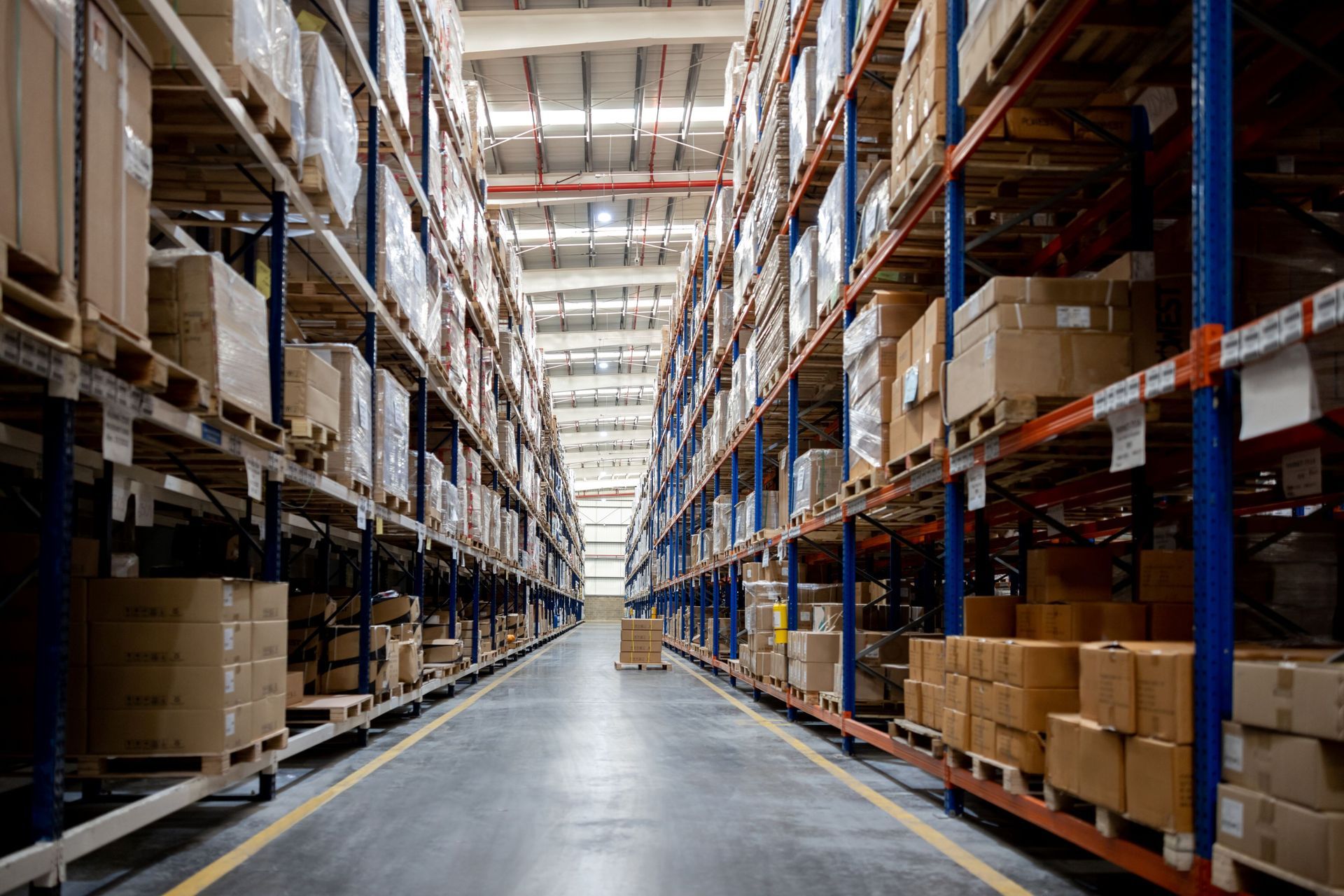
A warehouse is a staple working environment for those in Australia’s logistics sector – however there are particular hazards that come from working in these surroundings. The Australian Workers’ Compensation report for 2015-2016 identified labourers and machinery drivers (the most common warehouse roles) as the top two job types that claimed for compensation.
Addressing the potential hazards to avoid injury to your workers is simple when you consider these three tips to staying safe in a warehouse.
1. Identify and address safety hazards in advance
Looking over your warehouse space and thoroughly identifying any potential safety hazards in advance is an excellent way of lowering the chance of injury. Walk through the space yourself and look out for any tell-tale signs of danger:
- Rubbish, loose packaging, cables or wires on the floor;
- Equipment lying around;
- Unstable or unsecured items on shelves.
Labourers and machinery drivers are the top two job types that claimed for workers’ compensation in 2015-2016.
These are just three of any number of things that could cause a worker injury. Addressing potential safety hazards in advance greatly lowers the likelihood of an accident and the chances of your best workers having to go on paid sick leave and claiming costly workers’ compensation.
2. Ensure all safety equipment is in working order
It stands to reason that when you provide equipment or clothing to protect your warehouse workers from potential injury that the equipment or clothing is in proper working order. Certain items are essential for injury compliance, depending on the industry. These include:
- Goggles when working in dusty conditions;
- Hard hats if you are unloading heavy equipment;
- Face masks and gloves if you are dealing with chemicals;
- High visibility clothing or vests.
Spending the extra money on ensuring that you have the best quality safety equipment will lessen the likelihood that you will wind up with a serious workplace injury.
3. Provide ongoing training and safety courses
Often, when you induct new employees into your logistics business, you train them on the all the workplace health and safety information they need to know there and then. However, these rules often become forgotten over time. Complacency can lead to costly mistakes that cause injury. It’s worth the time and effort to regularly provide workplace health and safety refresher courses, covering:
- The workplace health and safety rules for your business;
- Areas of compliance your workers feel you may be failing in;
- Gauging general thoughts on safety in the workplace and ways it can be improved.
Getting your workers thinking about health and safety will likely lead to an increase in awareness of when they are taking risks that may lead to injury.
Finding ways to improve your warehouse health and safety is easier when you have the best personnel to work with. To learn more about the services we provide in the trades and industrial spaces, check out the Baytech site today.
Abandonment of employment is often misunderstood. Dean Sheriff explains what it means under Australian law and how to manage the process.

With agencies working together on labour hire compliance, GM Joe Galea explains what organisations, supervisors and managers need to know.

When an employee works from home, employers are responsible for managing work related health and safety risks. Here we outline employer safety obligations.